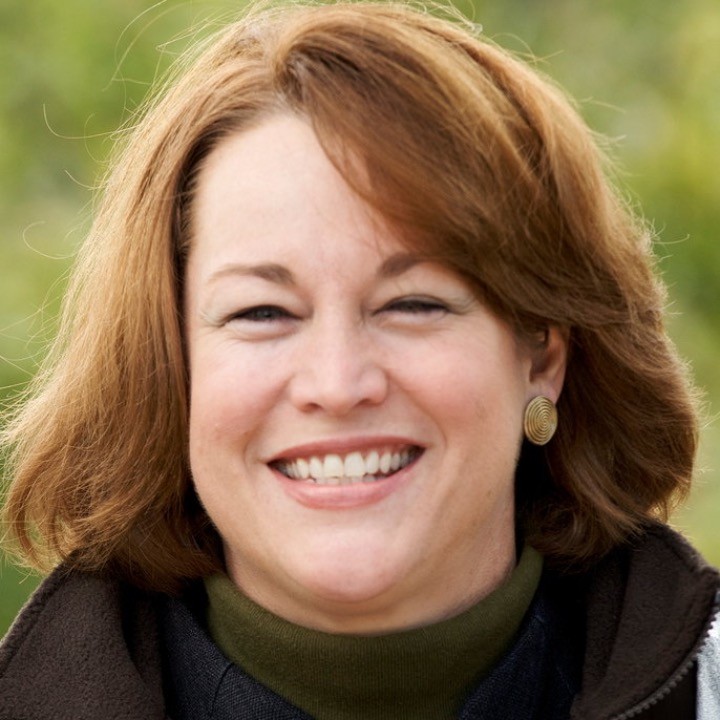
From protecting American skies to shaping military families’ financial decisions, veteran and K-State student Judy LaValley plans to put her personal financial planning degree to work helping others
Judy LaValley knows what it’s like to struggle with finances.
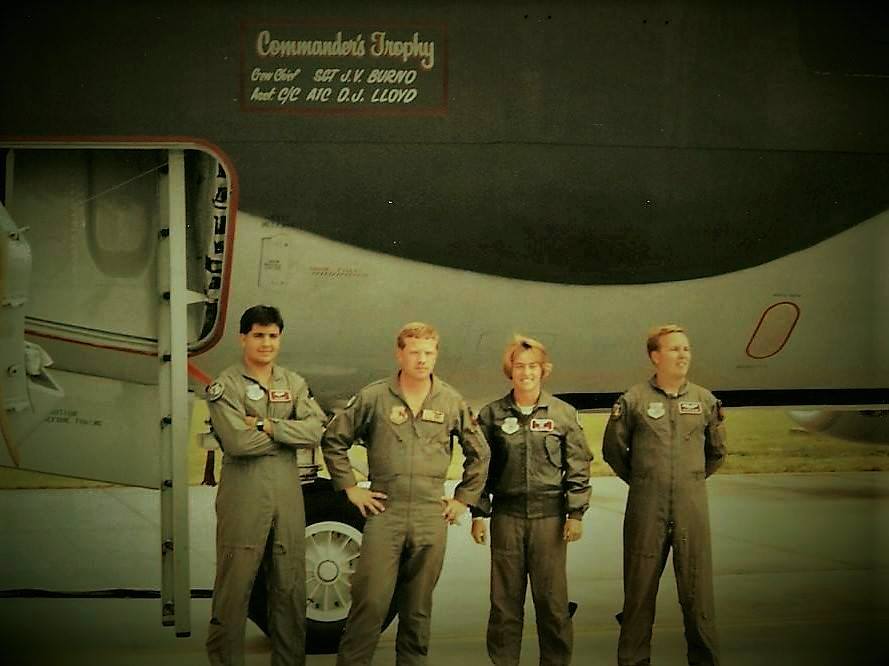
Joining the military helped boost her out of poverty. After serving as a U.S. Air Force pilot for nine years, she retired and followed her husband’s military career. Along the way, she noticed that many of her fellow military spouses and their families struggled to make educated financial decisions. This led her to go after her next career as a personal financial planner.
Why are you drawn to a career in personal finance?
My husband and I grew up with low socioeconomic status, and the military was the means by which we were able to improve our financial situation. After years of watching military people struggle with different financial issues, I felt like I wanted to get the education that would empower me to help others.
From my experience in the Air Force and as a military spouse, I met several people who didn’t know how to handle their personal finances. One woman didn’t have a bank account and did everything with cash. Another didn’t know how to balance a checkbook. Her husband had handled the money. But then she was unexpectedly widowed in her 40s with four children. She was just left adrift.
I think it’s important for both members of a couple to understand where their money is and what their investment philosophy is and why, so that they’re not left stranded if the partner passes away or if there’s a divorce. Military spouses, when their partner is deployed, need to be able to deal with all the financial challenges. So I think there is a strong need for military spouses to be financially savvy.
Why did you choose to study at K-State?
I researched programs and saw that K-State has one of the most highly regarded programs for personal financial planning. I had had the opportunity to get a previous degree on campus at K-State and really enjoyed that experience. Even though I’m disabled and not able to move back to Manhattan, I could do the entire program online from my home in Florida and at my own pace.
Another thing that attracted me to K-State over other programs is the module in financial therapy. People are starting to recognize that personal finance involves emotions and psychology, at least as much as it involves numbers. K-State has this program with faculty and resources to support financial counselors and financial planners in helping their clients deal with the emotions and psychology of money. It’s an art dealing with people’s financial traumas, their fears, their narratives, and I feel that as a practitioner, K-State has given me a really firm foundation to build upon.
What is it like being an online student?
It’s a valuable accommodation, not only for people who are disabled or chronically ill, but also for non-traditional students. I know in the PFP program, a lot of the students work. They’re sequencing their classes around their work and lives. Flexibility is really invaluable.
How have scholarships helped you?
I didn’t have to work this past summer because I received a scholarship for the fall and spring semesters. So instead of having to work, I was able to take a summer class and focus on it.
Scholarships give me some breathing room and flexibility and encouragement. I know that someone else sees the value in what I’m trying to accomplish.
What are your career goals?
I hope to become an accredited financial counselor and help military members and their families improve their financial security, overcome financial setbacks and reach their financial goals. As a female veteran and military spouse, I hope to work with other military women and spouses to increase their financial literacy and to help them become more empowered and confident about their finances.
There is one wish I’d like to put out into the universe. In the past, K-State had a military personal financial planning online course. I would love to teach that course remotely!
Judy Lavalley earned the Richard L.D. Morse Scholarship and the AFCPE/FINRA Military Spouse Fellowship.